How to Import from Vietnam to the USA: A Step-by-Step Guide for 2026
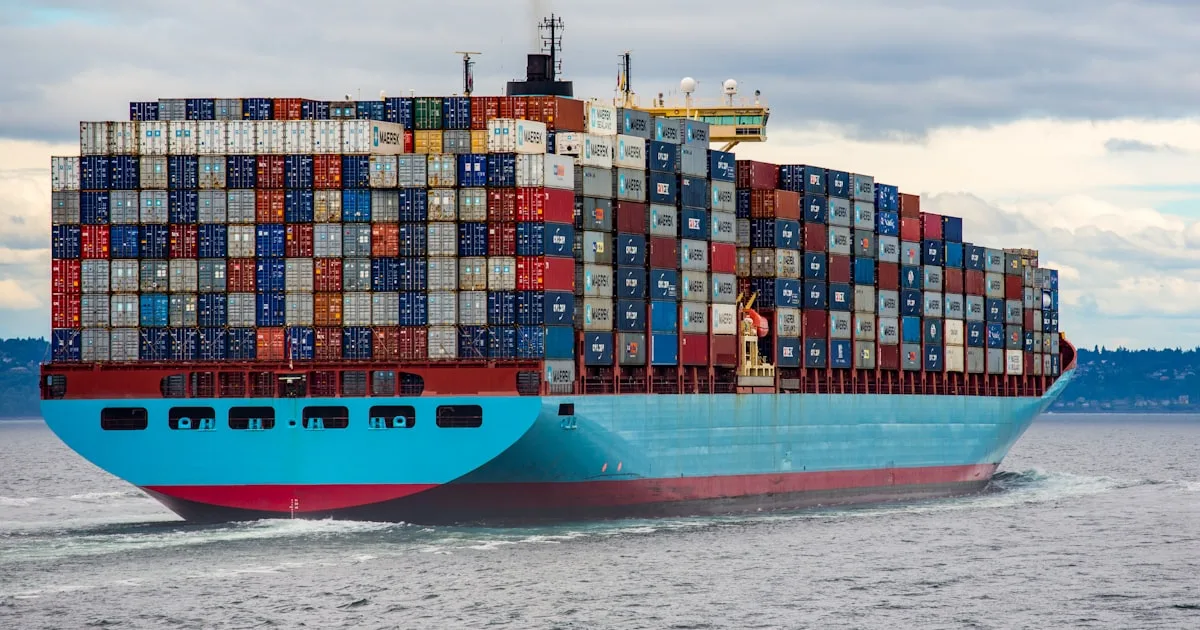
Vietnam has become one of the largest sources of US imports, and what it ships fills containers: wooden and upholstered furniture, apparel and footwear, shrimp and pangasius, coffee, cashews and pepper, and a growing range of machinery and electrical equipment. Importing from Vietnam follows the same steps as importing from anywhere else — with one question that matters more here than on most lanes: where were the goods, and their components, really made?
This guide walks through the whole process in order, from checking that your product can be imported to the moment the container is unloaded at your door. It is written for businesses importing pallets and containers. If you are buying a few small parcels, an express courier is usually the simpler route.
How to Import from Vietnam to the USA: The Short Answer
- Check your product’s rules — which US agencies regulate it (FDA, NOAA, USDA, CPSC, EPA and others) and whether forced-labor rules touch its supply chain.
- Confirm the origin. Goods made in Vietnam are Vietnamese; goods relabeled or lightly assembled there are not, and the importer answers for the difference.
- Classify the product under the US tariff schedule and work out which duty layers apply.
- Vet the supplier, and agree on price, specifications, payment and the Incoterm.
- Set up as an importer: your importer number and a customs bond.
- Choose how it ships: a full container (FCL), shared container space (LCL) or air.
- File the ISF at least 24 hours before an ocean container is loaded in Vietnam, and clear US customs.
- Deliver: the container is collected from the US port and trucked to your warehouse, or transloaded for the rest of the trip.
You stay in charge of steps 1–4, with advice from your customs broker. A freight forwarder runs the rest with you — see Vietnam to USA shipping for how we handle the freight, the ISF, US customs and delivery on this lane.
Step 1: Check the Rules for Your Product
The US has no general import license, but specific products carry agency rules that are checked at the border. For what Vietnam exports most, these are the ones to know:
- Wooden furniture. Plywood, MDF and particleboard in furniture must be certified to the EPA’s formaldehyde standards under TSCA Title VI, and wooden furniture needs a Lacey Act declaration naming the genus, species and country of harvest of the wood. Vietnamese furniture often mixes US hardwood, local rubberwood or acacia and imported panels, so the declaration may list several countries. Upholstered furniture must meet the federal flammability standard, and dressers and chests the STURDY tip-over rule. See importing furniture from Vietnam.
- Apparel and footwear. Garments need fiber content, country of origin and the manufacturer or dealer identity on the label, plus care instructions. Children’s apparel and footwear need third-party testing and a Children’s Product Certificate under CPSIA. See apparel and footwear from Vietnam.
- Forced labor (UFLPA). Goods containing cotton or other inputs from Xinjiang are presumed to be made with forced labor, and CBP detains them until the importer proves otherwise. A garment sewn in Vietnam is still caught if the fabric, yarn or cotton traces back to Xinjiang. Keep the chain of documents — cotton origin, spinner, fabric mill and garment factory — before the goods ship.
- Seafood. The processing plant must be registered with the FDA, prior notice must be filed before arrival, and the importer needs seafood HACCP verification for each supplier. Shrimp falls under the Seafood Import Monitoring Program, which requires a NOAA permit; pangasius (basa or swai) is inspected by USDA FSIS and may only come from eligible establishments. Fish from some Vietnamese wild fisheries has been barred under the Marine Mammal Protection Act since 1 January 2026 — farmed shrimp and pangasius are not affected. See seafood from Vietnam.
- Coffee, cashews and pepper. The supplier’s facility needs an FDA food facility registration, prior notice is filed before arrival, and the importer needs a Foreign Supplier Verification Program (FSVP) for each supplier. See coffee, cashews and pepper from Vietnam.
- Machinery and electrical equipment. Distribution transformers and many electric motors must meet Department of Energy efficiency standards, equipment installed in US buildings generally needs a UL or ETL listing, and equipment with digital electronics needs FCC authorization. See machinery and electrical equipment from Vietnam.
- Wood packaging. Every wooden pallet, crate and cable drum must be heat-treated and stamped to ISPM 15.
Ask your customs broker to check which agency flags sit on your product’s tariff line before you commit to a purchase order.
Step 2: Confirm Where the Goods Are Really Made
This is the step that sets Vietnam apart. Many Vietnamese supply chains still run on Chinese components and fabric, and US customs looks closely at whether goods declared as Vietnamese were made there.
The rule. For US customs, origin is the country where the goods were last substantially transformed — where they became a new product — not where they were packed, labeled or shipped from. In practice:
- A garment sewn in Vietnam from Chinese fabric is normally Vietnamese. Some flat goods, such as scarves, take the origin of the fabric instead.
- A transformer wound, built and tested in Vietnam is usually Vietnamese. A Chinese kit bolted together in Vietnam usually is not, and it then pays the duties on Chinese goods.
- A Chinese product repacked or relabeled in Vietnam is still Chinese.
Chinese components can carry Chinese duties with them. The US antidumping and countervailing duty orders on wooden cabinets and vanities from China cover components as well as finished goods, so cabinets finished in Vietnam from Chinese components remain inside the China orders. Before ordering Vietnamese cabinets or vanities, get documentary proof of where the doors, boxes, frames and panels were made — not just where they were assembled.
How it is enforced. CBP polices origin through Enforce and Protect Act (EAPA) investigations, antidumping and countervailing duty scope rulings, and penalties under 19 USC 1592 for false origin declarations. A Vietnamese certificate of origin (Form B, issued by the Ministry of Industry and Trade) is useful evidence, but it does not bind CBP. For a borderline product, a binding ruling from CBP settles the question before you commit to volume.
Why it is your risk. The US importer makes the origin declaration and carries the liability for it, whatever the supplier’s paperwork says. A supplier who offers Chinese goods “made in Vietnam” on paper is offering you customs fraud, not a saving. We do not relabel or reroute goods to change their origin, and we will not ship cargo whose origin documents we cannot stand behind.
Step 3: Classify the Product and Work Out the Duty
Every product is classified under the 10-digit Harmonized Tariff Schedule of the United States (HTSUS), and the classification decides the duty. The HS code on a Vietnamese invoice is usually only 6 digits and may not be right for US purposes — as the importer, you are responsible for getting it right. See our guide to HTS classification.
On Vietnamese goods the duty is built in layers:
- The base (MFN) rate for the tariff line. Apparel and footwear carry some of the highest normal rates in the US tariff schedule; most wooden furniture and most machinery carry low ones.
- The Section 301 layer that most Vietnamese goods have paid since 24 July 2026. Coffee and spices are exempt.
- Section 232 duties, which apply from every origin to upholstered wooden furniture, kitchen cabinets and vanities, and to steel, aluminum and copper products. Goods under Section 232 pay that tariff instead of the Section 301 layer. See our post on the Section 232 wood tariffs.
- Antidumping and countervailing duties (AD/CVD) on specific Vietnamese products — frozen warmwater shrimp, pangasius fillets and hardwood plywood among them — often at a rate set for each exporter, so the company you buy from decides the deposit.
Together these make some Vietnamese products heavily tariffed, not banned: you can import them, but the duty belongs in your costing from day one. The picture is still moving — the tariffs imposed under IEEPA, including the higher rate on transshipped goods, ended in February 2026, and two more Section 301 investigations and the US–Vietnam trade deal are still open. Rates change and vary by tariff line, so we do not publish them; our licensed customs brokers confirm the total for your HS codes at quoting. Our 2026 tariff guide explains how the layers stack, and the free landed cost calculator shows which apply to common products.
Duty is charged on the customs value — normally the price you paid for the goods, not including international freight and insurance. Declaring a lower value or a false origin is customs fraud, and the liability sits with the importer.
Step 4: Vet the Supplier and Agree on Terms
Before you pay a deposit:
- Check who you are dealing with — the factory or a trading company — and where production actually happens.
- Ask the origin questions from Step 2 in writing: where the main components, fabric or wood come from, and what documents the factory can give you to prove it.
- Approve samples and agree on the specification the production run will be checked against. For regulated products, get the test reports before production, not after the container lands.
- Agree on payment terms and packing: export cartons, ISPM 15-stamped pallets and a packing list that matches the invoice.
- Plan around Tết. Factories close for the Lunar New Year — 6 February in 2027 — and the weeks before it are the busiest of the year.
Then choose the Incoterm. FOB a Vietnamese port (or EXW with a forwarder handling export) puts you in control of the main freight and the US-side charges, which is what we recommend to most importers. Under CIF or CFR the supplier’s forwarder books the freight and US destination charges arrive on your invoice later. Treat DDP offers with caution: ask who is acting as US importer of record, how the goods are valued and what origin is declared. We do not offer DDP shipping. See our Incoterms guide for importers.
Step 5: Set Up as an Importer
- Importer number. A US business normally imports under its IRS employer identification number (EIN); your customs broker files a CBP Form 5106 to create your importer record.
- Power of attorney for your licensed customs broker to file entries for you.
- Customs bond. Required for formal entries — commercial shipments valued over $2,500, and goods regulated by other agencies such as the FDA whatever their value. A single-entry bond covers one shipment; a continuous bond covers every entry for a year and also your ISF. See our customs bond and ISF guide.
- Product-specific permits. Shrimp importers need a NOAA International Fisheries Trade Permit, and food importers need their FSVP in place before the first shipment.
Step 6: Ship by Sea or Air
Origin in Vietnam. AGF has no office in Vietnam. Our WCA partner agents there collect from the factory, load the container and handle export customs — and can consolidate several factories into one container, which gives you one ocean booking, one customs entry and one delivery.
Ports. In the south, the deep-water terminals at Cai Mep–Thi Vai take direct mainline sailings to Los Angeles and Long Beach, and the river terminals at Cat Lai feed through Singapore; both are now part of Ho Chi Minh City. In the north, Hai Phong and its deep-water port at Lach Huyen serve the factories around Hanoi and Bac Ninh. On the US side, most cargo arrives at Los Angeles/Long Beach, with Seattle/Tacoma, New York/New Jersey, Savannah and Houston serving the other coasts.
Ocean Freight
- FCL (Full Container Load) — you book an entire 20ft, 40ft or 40ft high-cube container, or a reefer for frozen seafood. Furniture and apparel fill a container on volume; machinery, cable, coffee and frozen seafood reach the weight limit first.
- LCL (Less than Container Load) — your cargo shares a container with other shippers. Usually the better buy below roughly 13–15 CBM; it takes longer because the cargo is consolidated in Vietnam and separated again in the US.
Near that line it is worth pricing both: the CBM calculator adds up your cartons and shows which side of the line you are on, and our FCL vs LCL guide explains the trade-off.
Typical time on the water, confirmed per booking:
- Cai Mep–Thi Vai to Los Angeles/Long Beach on a direct sailing: about 21–23 days
- Cat Lai, transshipped in Singapore, to Los Angeles/Long Beach: about 28–32 days
- To New York: about 35 days; to Savannah: about 40 days
Add origin trucking and US clearance and delivery for the door-to-door figure — on a direct Cai Mep sailing, roughly 4–5 weeks to Southern California. Typhoons between June and November can delay sailings from the central and northern ports.
Air Freight
Air freight leaves from Tan Son Nhat in Ho Chi Minh City (SGN) and Noi Bai in Hanoi (HAN), and suits launches, urgent replenishment and high-value goods. Transit depends on the airline routing, so we confirm it per booking. The chargeable weight calculator shows what an air shipment will be billed on.
Our Vietnam to USA shipping page compares FCL, LCL and air on this lane side by side.
Step 7: File the ISF and Clear US Customs
For ocean shipments, the Importer Security Filing (ISF, or “10+2”) must reach CBP at least 24 hours before the container is loaded aboard the vessel in Vietnam. It needs details only your supplier has — the manufacturer, the container stuffing location and the consolidator among them — so agree in advance on when the supplier sends them. A late, inaccurate or missing ISF can draw liquidated damages of $5,000 per violation. Air shipments have no ISF.
While the cargo is on the water, your customs broker prepares the entry so the goods can be released soon after arrival:
- The entry is filed with the commercial invoice, packing list and bill of lading (or air waybill), and any declarations the product needs — the Lacey Act declaration and TSCA certification for furniture, FDA prior notice for food and seafood.
- Duties and fees are paid: the duty layers from Step 3, the merchandise processing fee and, for ocean cargo, the harbor maintenance fee.
- The agencies review the products they regulate — pangasius, for example, is reinspected at an FSIS import inspection establishment before release — and CBP can X-ray or physically examine the container, which adds days and costs.
We clear Vietnam imports through our licensed customs brokers — see customs clearance. If this is your first shipment, our guide for first-time importers covers US customs in more detail.
Step 8: Deliver to Your Door
After release, a full container has to leave the terminal within a few free days before demurrage starts, so we book drayage before the vessel arrives. The container goes straight to your dock, to a partner facility for transloading into domestic trailers, or into partner warehousing near the Los Angeles and Long Beach ports; frozen seafood goes by reefer truck to your cold storage. LCL cargo is collected from the warehouse where the shared container was unloaded. Our guide to avoiding demurrage and detention covers the charges that catch importers out at this stage.
What It Costs to Import from Vietnam
Ocean rates on the trans-Pacific move with the season and carrier capacity, so any figure published on a website is out of date within weeks. The landed cost is built from the same parts every time:
- The goods at the agreed price (FOB or EXW)
- Origin charges in Vietnam — trucking to the port and export customs — depending on your Incoterm
- Ocean or air freight and the carrier’s surcharges, plus cargo insurance
- US destination charges at the port or warehouse
- Customs: the broker’s fee, the ISF, the bond, the duty layers and fees
- Delivery to your door
- Event-driven charges — exams, demurrage, detention and storage
On many Vietnamese products the duties outweigh the freight, which is why Steps 2 and 3 come before the booking. We quote door to door with the standard charges built in and list what is excluded — duties and taxes, and event-driven charges — so the quote is the number you plan with.
Common Mistakes When Importing from Vietnam
- Taking “made in Vietnam” on trust without asking where the components, fabric or wood came from.
- Ordering cabinets or vanities without proof of where the parts were made.
- Using the supplier’s 6-digit HS code without checking the 10-digit US line.
- Leaving the duty layers out of the costing — the Section 301 layer, Section 232 on furniture and metals, and AD/CVD on shrimp and pangasius.
- No cotton tracing records for garments made from Chinese fabric.
- Booking a reefer before the paperwork is ready — the packer’s AD/CVD rate, the NOAA permit, FSIS eligibility for pangasius.
- A late ISF, because the supplier sent the data after the container was already loaded.
- Ignoring Tết — and losing weeks of selling season.
Do You Need a Freight Forwarder to Import from Vietnam?
Not legally — but almost every business uses one, because importing involves two countries’ paperwork, a carrier booking, a US customs entry and a delivery, and someone has to coordinate them all on time. On this lane the forwarder should also be asking the origin questions before the booking, not after CBP does.
American Global Freights is an FMC-licensed NVOCC (OTI #031665NF) headquartered in Glendale, California, near the Ports of Los Angeles and Long Beach. We have no office in Vietnam: origin handling there is done by our WCA partner agents, and our team in California manages the shipment from booking to delivery. Our own office in Foshan, China, knows the Chinese component supply chains that Vietnamese origin questions turn on. What we do on Vietnam imports:
- Ocean freight from Cai Mep–Thi Vai, Cat Lai, Hai Phong and Da Nang, with origin handling by our WCA partner agents in Vietnam
- Air freight from Ho Chi Minh City and Hanoi
- Consolidation of several factories into one container
- US import clearance through our licensed customs brokers
- Drayage from US ports to your warehouse through our drayage partners
- Partner warehousing near the Los Angeles and Long Beach ports
- Transparent door-to-door quotes, with exclusions listed
We ship what fits standard containers, LCL and air freight; we do not handle out-of-gauge cargo or small parcels. See Vietnam to USA shipping for how we run the lane, or request a free quote.
Importing Specific Products from Vietnam
Each of these guides covers the container loading, HS codes, regulations and door-to-door chain for one product group:
- Furniture — case goods, upholstered seating and outdoor furniture (furniture from Vietnam)
- Apparel and footwear — garments, shoes and bags, consolidated across factories (apparel and footwear from Vietnam)
- Seafood — frozen shrimp, pangasius, tuna and crab in reefer containers (seafood from Vietnam)
- Machinery and electrical equipment — transformers, motors, cable and switchgear (machinery and electrical equipment from Vietnam)
- Coffee, cashews and pepper — green robusta, cashew kernels and black pepper (coffee, cashews and pepper from Vietnam)
For the lane as a whole — ports, transit, customs and tariffs — see shipping from Vietnam to the USA.
Frequently Asked Questions
Do I need a license to import from Vietnam to the USA?
Not a general one. Any business can import most goods with an importer number (usually its EIN) and, for commercial shipments, a customs bond. Specific products need agency compliance — FDA registration and prior notice for food and seafood, a NOAA permit for shrimp, CPSIA certificates for children’s products, a Lacey Act declaration for wooden furniture — so check your product’s rules before you order.
How long does it take to import from Vietnam?
By sea, about 21–23 days on the water from Cai Mep–Thi Vai to Los Angeles/Long Beach on a direct sailing, about 28–32 days via Cat Lai and Singapore, about 35 days to New York and about 40 to Savannah. Door to door to Southern California, plan on roughly 4–5 weeks on a direct sailing. Production time comes on top and is set by your supplier.
What is the import duty from Vietnam to the USA?
Most Vietnamese goods pay their normal (MFN) duty plus the Section 301 layer that has applied since 24 July 2026. Goods under Section 232 — upholstered wooden furniture, kitchen cabinets and vanities, and steel, aluminum and copper products — pay that tariff instead, and coffee and spices are exempt from the layer. Shrimp, pangasius fillets and hardwood plywood also carry antidumping or countervailing duties. Our licensed customs brokers confirm the total for your exact HS code at quoting.
Are goods made in Vietnam from Chinese parts Vietnamese?
Only if the work in Vietnam substantially transforms the parts into a new product. Real manufacturing usually does; repacking, relabeling or simple assembly does not, and the goods then pay the duties on Chinese goods. Cabinets and vanities are a special case: the China antidumping and countervailing duty orders cover components, so cabinets finished in Vietnam from Chinese parts stay inside them.
Is there still a transshipment tariff on goods from Vietnam?
Not as a tariff. The higher rate on transshipped goods was an IEEPA tariff, and it ended with the rest of the IEEPA tariffs in February 2026. Transshipment is now policed through EAPA investigations, AD/CVD scope rulings and penalties under 19 USC 1592 for false origin declarations.
How much does it cost to import from Vietnam?
It depends on the product’s duty layers, the volume, the mode, the port pair and the delivery address. The landed cost adds the goods, origin charges, freight, insurance, US port charges, customs (entry, ISF, bond, duties and fees) and delivery. Send us the commodity, volume, weight, supplier address and delivery ZIP code and we quote it door to door, with exclusions listed.
Can a small business import from Vietnam?
Yes. There is no minimum size. Smaller shipments travel as LCL, sharing a container with other cargo, and orders from several factories can be consolidated into one container at origin. We ship pallets and containers, not individual parcels.
Do I need a customs broker to import from Vietnam?
You can legally file your own entries, but most importers use a licensed customs broker, because classification, origin, valuation, ISF timing and agency rules all carry penalties when they go wrong. We clear Vietnam imports through our licensed customs brokers.
Does AGF have an office in Vietnam?
No. AGF’s offices are in Glendale, California, Foshan, China, and Paris, France. Origin handling in Vietnam — pickup, export customs and loading — is done by our WCA partner agents. Our team in California manages the shipment and clears it through US customs with our licensed customs brokers.
What documents do I need to import from Vietnam?
A commercial invoice, a packing list and the bill of lading (or air waybill) from the shipment; the ISF data for ocean cargo; a customs bond and a power of attorney for your broker; records showing where the goods and their main components were made; and any product certificates or declarations, such as FDA registrations, a Lacey Act declaration or a Children’s Product Certificate. Your supplier or our partner agent handles the Vietnamese export declaration.
Can I ship from Vietnam to the USA DDP?
Some suppliers offer DDP, but treat it with caution: ask who is acting as importer of record, how the goods are valued and what origin is declared, because a wrong entry is still a problem for the goods’ owner. We do not offer DDP shipping; our quotes list duties and taxes separately.
 USA Office
 China Office
 France Office
 Georgia · Gianti Logistics
 Kazakhstan · Gianti Logistics
 Uzbekistan · Gianti Logistics