Customs Bonds and ISF Filing: The Two Requirements Every US Importer Must Handle
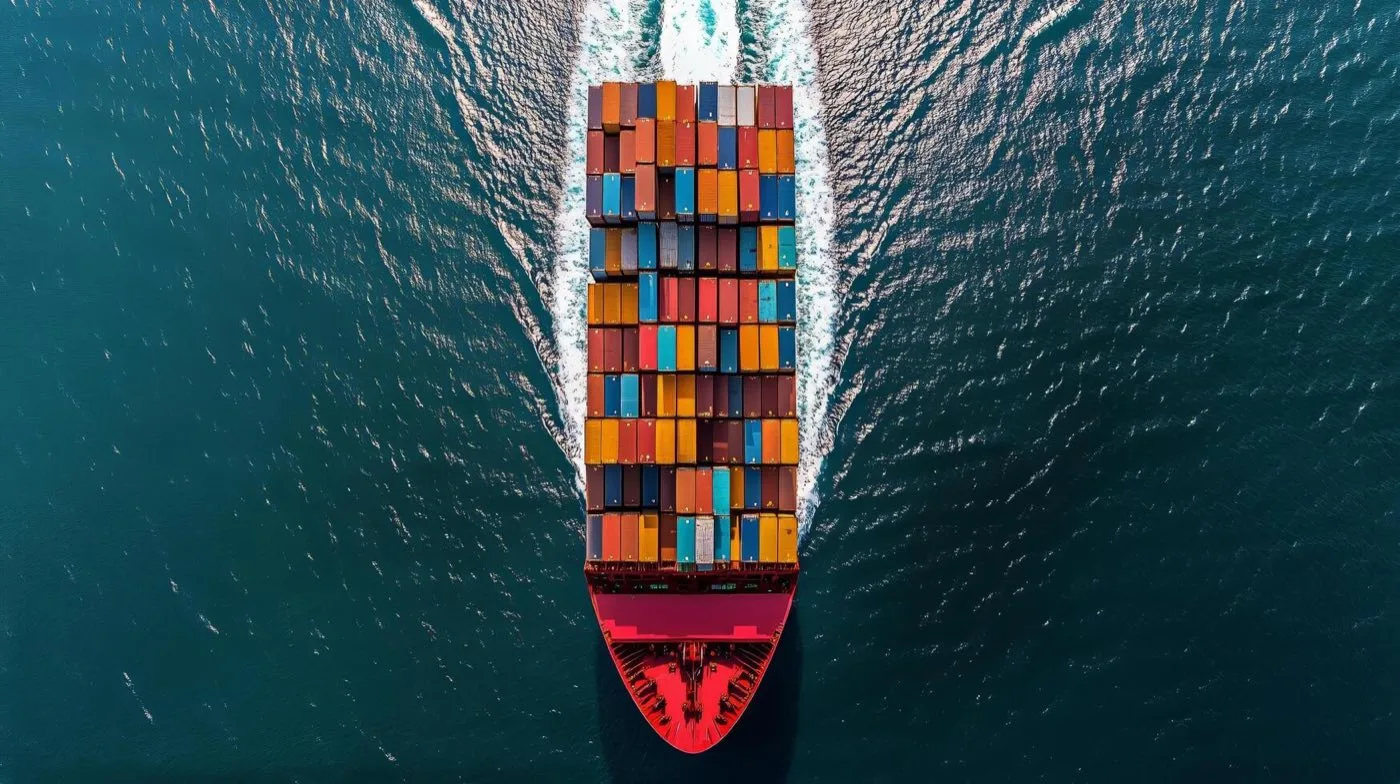
Two pieces of paperwork stand between every commercial ocean shipment and a smooth US arrival: the customs bond and the Importer Security Filing. Neither is optional, both have real penalties attached, and both are cheap to get right — which makes them the easiest compliance wins in importing. Here’s what each one is, in plain English.
What Is a Customs Bond?
A customs bond is an insurance policy that guarantees the US government gets paid. It’s a three-way contract between you (the importer), a surety company, and US Customs and Border Protection: if you fail to pay duties, taxes, or penalties, the surety pays CBP and then collects from you.
CBP requires a bond for essentially every commercial import — formally, for shipments valued over $2,500 or any goods regulated by another agency (FDA, USDA, and so on). No bond, no entry: your cargo simply cannot clear.
Single Entry vs Continuous Bond
- Single Entry Bond (SEB) covers exactly one shipment, sized to the shipment’s value plus duties. Add the separate ISF bond an ocean shipment needs, and per-shipment bonding gets expensive fast.
- Continuous Bond covers all your imports at all US ports for a year. The standard minimum is $50,000 of coverage (scaling up at 10% of your annual duties if you pay more), and it typically costs a few hundred dollars per year. It also covers your ISF obligations automatically.
The math is not subtle: if you import more than about 3–4 times per year, a continuous bond pays for itself — and removes a recurring piece of friction from every entry. It’s one of the first things we arrange with our licensed customs brokers for new import clients.
One 2026-specific note: bond sizing is based on your duty exposure, and duty exposure has been a moving target — with tariff layers added and struck down this year. If your duties jumped, CBP may demand a larger bond (“stacking liability”); if they fell, you may be over-bonded. Worth a yearly review.
What Is ISF (the “10+2”)?
The Importer Security Filing is an advance electronic declaration for ocean imports only — CBP wants to know what’s coming before it’s on the water. The importer supplies ten data elements (hence “10+2”; the carrier files two more):
- Seller and 2. Buyer names and addresses
- Importer of record number
- Consignee number
- Manufacturer (or supplier)
- Ship-to party
- Country of origin
- HTS classification (six digits minimum — another reason classification matters early)
- Container stuffing location
- Consolidator name and address
The deadline is the hard part: ISF must be filed at least 24 hours before the cargo is loaded onto the vessel at the foreign port. Not before arrival — before loading. That means the data must be assembled while your goods are still at origin, which requires your supplier, forwarder, and broker to be coordinated days before sailing.
What Non-Compliance Costs
Late, inaccurate, or missing ISF filings carry liquidated damages of $5,000 per violation (capped at $10,000 per shipment). Beyond the fine, ISF problems flag your shipments for exams — and a customs exam means days of delay plus exam fees plus possible demurrage at the port. CBP does issue warnings for first offenses at its discretion, but building your process around discretion is not a strategy.
Air shipments, for clarity, have no ISF requirement — advance data flows through a different system handled by carriers. This is one of several small ways air and ocean imports differ operationally.
How to Make Both Invisible
Well-run importers never think about bonds and ISF — because their forwarder-broker does. The working pattern:
- Continuous bond on file — one renewal a year, covering entries and ISF at every port.
- ISF data collected at booking, not at sailing. When AGF books your cargo — especially from our own office in China — the supplier, stuffing location, and shipment details are captured at origin, so the filing beats the 24-hour deadline with room to spare.
- One accountable party. When one company arranging the freight is also the broker filing the ISF and the entry — at AGF — the “who has the data” problem disappears, and there is no gap between the origin side and the filing side.
If you’re importing by ocean and aren’t 100% sure your bond type is right or your ISFs are filed on time, that’s a five-minute conversation — ask us, and we’ll check both before your next booking. For the bigger picture of what happens when the ship arrives, see our guide to how US customs clearance works.
 USA Office
 China Office
 DDC — Authorized Representative in Kazakhstan
 Europe — Achot Baghdasarian