Air Freight vs Ocean Freight: How to Choose the Right Mode for Your Cargo
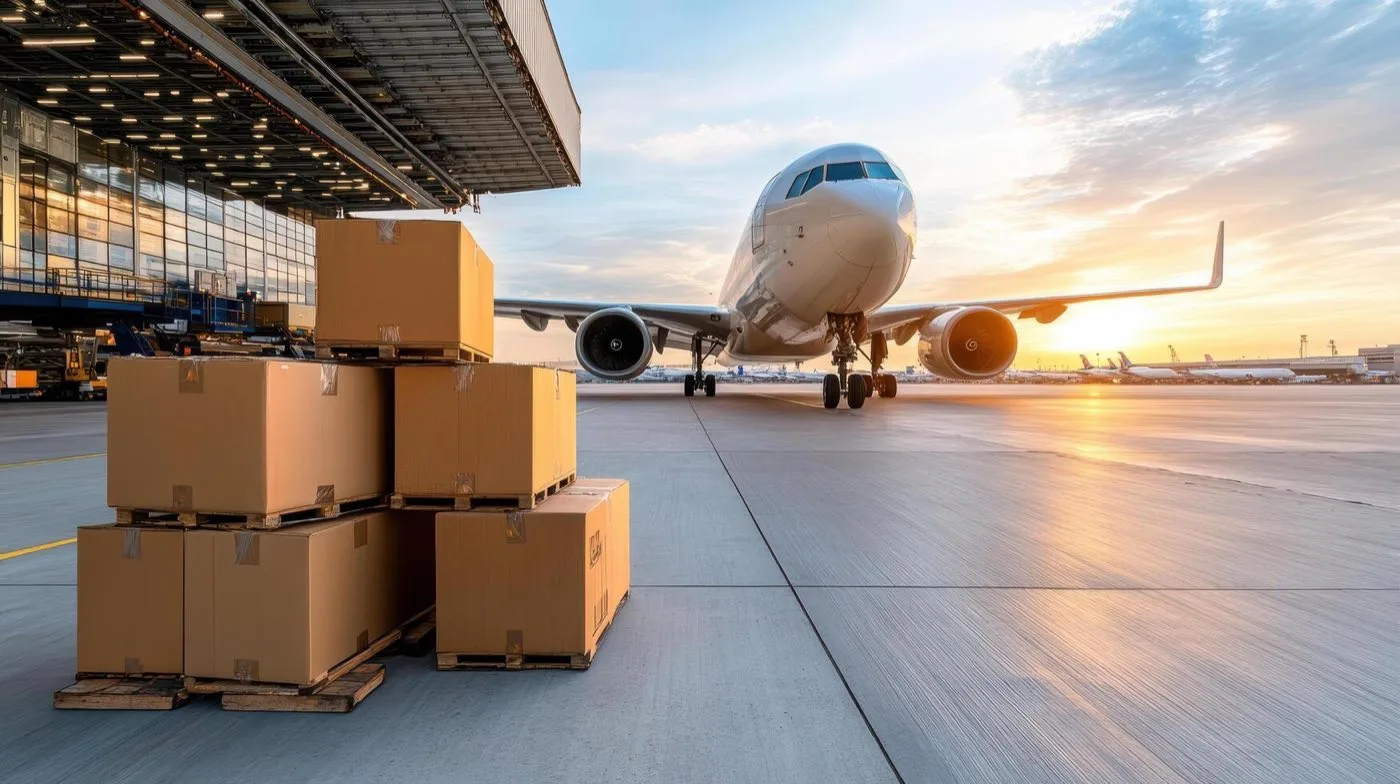
“Should this go by air or by sea?” is the most fundamental question in international shipping — and the honest answer is almost never about one shipment. It’s about your product’s economics, your inventory strategy, and what a stockout actually costs you. Here’s the framework we walk clients through.
The Core Trade-off
Ocean freight moves the world’s cargo. It is dramatically cheaper per kilogram — often 5–15× cheaper than air for the same shipment — and a single container absorbs enormous volume. The price is time: typically 14–18 days port-to-port from South China to Los Angeles, 28–35 days to the US East Coast, plus origin and destination handling on both ends.
Air freight delivers in days instead of weeks — commonly 1–5 days door-to-door on major lanes — with tighter handling, less transit damage, and far more predictable schedules. The price is money: air becomes painful quickly as weight and volume grow.
The decision engine is simple: what percentage of your product’s value would the freight consume? A $2 phone case cannot afford air freight. A $400 electronics item barely notices it. As a rough rule, when freight cost stays under a few percent of the goods’ value, air is affordable; past 10–15%, ocean is usually the only sane option.
When Air Wins
- High value, low weight. Electronics, optics, precision parts, samples.
- Deadline-driven cargo. Product launches, seasonal windows, trade show materials, contract penalties for late delivery.
- Emergency replenishment. When a bestseller is about to stock out, the margin you save by not missing sales dwarfs the freight premium.
- Perishables and pharma. Short shelf life plus controlled handling — see our cold chain guide for the temperature side.
- Chargeable weight favors you. Air prices on the greater of actual vs volumetric weight (volume in cm³ ÷ 6,000). Dense-but-small cargo often flies cheaper than shippers expect. Our air freight cost guide breaks down real pricing.
When Ocean Wins
- Nearly everything heavy or bulky. Furniture, machinery, tiles, appliances, bulk inventory — there is no air math that works.
- Predictable, planned replenishment. If you forecast demand 6–8 weeks out, the transit time is just part of the calendar, not a cost.
- Low-margin goods. When freight is a visible slice of landed cost, ocean’s economics decide for you.
- Anything oversized. Container options — from standard boxes to open tops and flat racks — handle cargo aircraft simply cannot.
Ocean’s weaknesses are real, though: schedules slip, ports congest, and a delayed vessel ripples through your inventory plan. Build buffer stock into ocean-based supply chains, and work with a forwarder who actively manages exceptions instead of just forwarding carrier emails.
The Strategies That Beat Either/Or
The most sophisticated importers don’t choose one mode — they blend them:
- Baseline by ocean, spikes by air. Ship your forecastable 80% by sea at low cost; cover surprises and stockout risks by air. This usually beats both an all-air (too expensive) and all-ocean (too fragile) strategy.
- First order by air, reorders by ocean. Launch a new product fast, validate demand, then switch the replenishment pipeline to sea.
- Split a single PO. Fly two weeks of stock, sail the rest. You’re selling while the container is still on the water.
- Sea–air combinations. On some lanes, routing ocean to a hub and air for the final leg lands between the two modes on both cost and speed — worth asking about when timing is tight but air-only is too costly.
The Questions That Decide It
Before booking, answer these five:
- What does the freight cost as a percentage of the goods’ value?
- What does a week of delay actually cost you — in lost sales, penalties, or idle production?
- Is demand forecastable enough to plan around ocean transit?
- Does the cargo’s size, weight, or nature disqualify air outright?
- Are duties and fees the same either way? (Almost — duty rates and customs treatment don’t depend on mode, but ocean imports also pay the Harbor Maintenance Fee and need an ISF, which air shipments don’t. Beyond that, the comparison is freight and time.)
At AGF we quote air and ocean side by side, door to door with the standard charges built in and the exclusions listed, so the trade-off is a number you can see rather than a guess. Tell us what you’re moving and when it needs to land — we’ll show you the math for your specific lane.
 USA Office
 China Office
 DDC — Authorized Representative in Kazakhstan
 Europe — Achot Baghdasarian