Cold Chain Logistics: Ensuring Integrity in Temperature-Sensitive Shipments
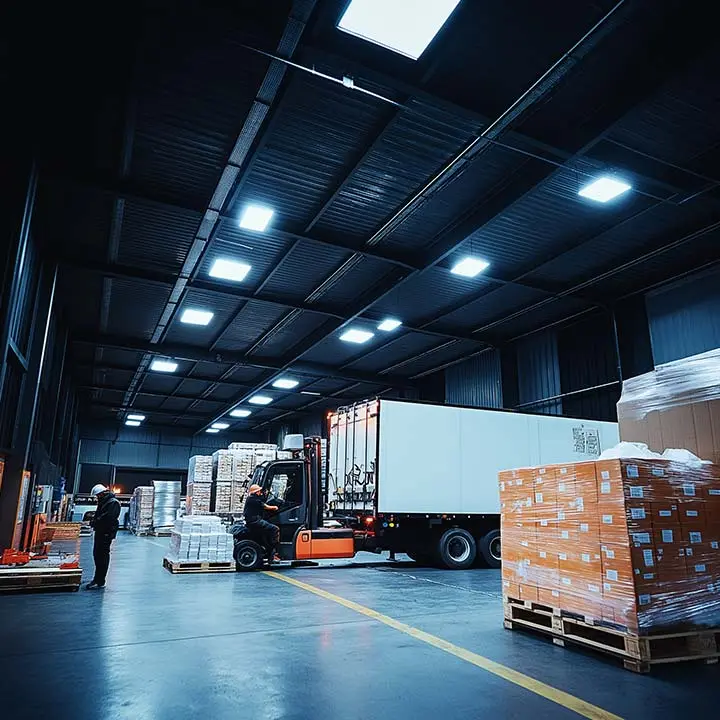
Cold chain logistics is no longer just a feature of modern transportation; it’s a cornerstone of international trade, especially when dealing with temperature-sensitive shipments. With stricter regulations and heightened consumer expectations, maintaining product integrity through controlled temperatures is a mission-critical priority. From life-saving vaccines to fresh produce, the value of an uninterrupted cold chain cannot be overstated.
The International Institute of Refrigeration (IIR) has estimated that roughly 12% of the world’s food production is lost for lack of refrigeration. This underscores the need for logistics partners who understand the science of preservation — not just the transportation.
What Makes Up a Cold Chain?
A complete cold chain system involves:
- Specialized cold storage facilities before departure and after arrival
- Refrigerated transport (reefer trucks, containers, and aircraft holds)
- Real-time tracking systems that monitor temperature deviations
- The documentation each product’s regulations require (FDA rules for food and medicines, for example)
This interconnected system helps avoid exposure to temperature fluctuations, which can degrade product quality or render it unusable.
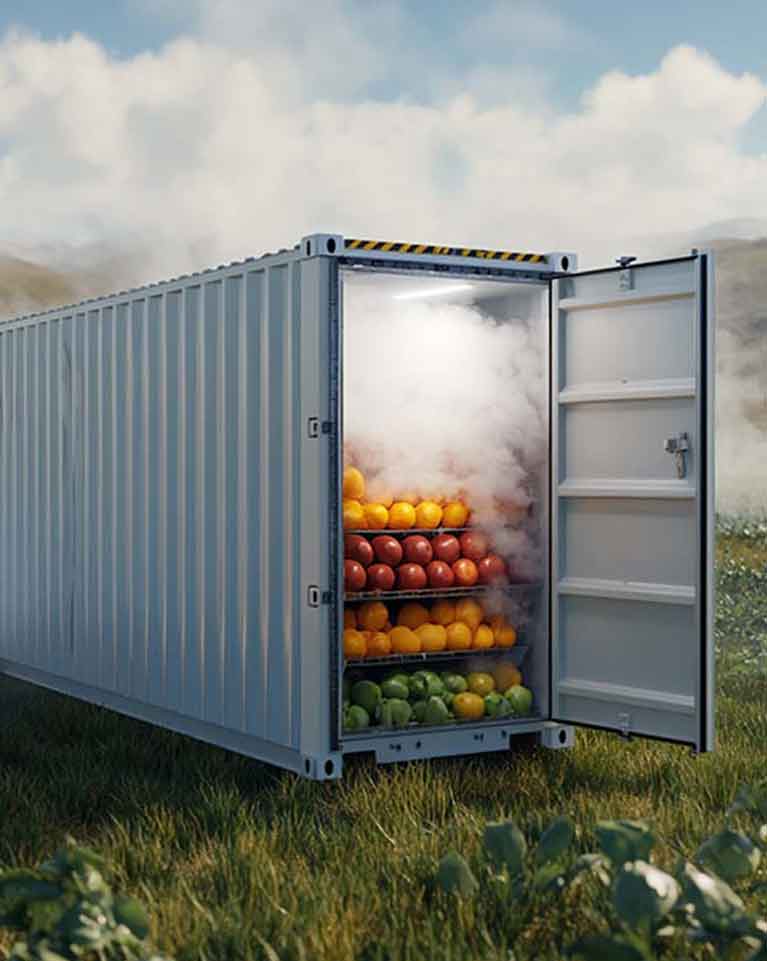
AGF’s Commitment to Smarter Cold Chain Management
At American Global Freights, we approach cold chain logistics not just as a service but as a critical discipline. We offer:
- A partner network of specialist cold storage and refrigerated transport providers
- Insulated packaging options arranged through those partners (e.g., vacuum-insulated panels)
- Temperature monitoring through data loggers or carrier telemetry where available
- Help with the documentation your shipment’s regulations require
Industries Relying on Temperature-Sensitive Logistics
The temperature-controlled shipments we arrange serve businesses in:
- Life sciences and healthcare: Temperature-sensitive pharmaceuticals and biologics
- Agriculture and food service: Organic foods, dairy, seafood
- Chemical production: Temperature-sensitive formulations
- Specialty retail and cosmetics: Preservative-free goods
These industries face critical loss if the cold chain is disrupted. Our role is to plan the chain so that the weak points are covered before the cargo moves.
Challenges in Cold Chain and How AGF Mitigates Them
- Inconsistent infrastructure: We work with vetted carriers and cold storage partners
- Regulatory complexities: We coordinate the documentation each jurisdiction requires
- Last-mile risks: We use partners experienced in cold chain handling
- Cost pressures: By optimizing routing and packaging, we reduce waste and improve ROI
The Future of Cold Chain Logistics
Automation, better forecasting and digital traceability are shaping the future. For shippers today, the gains come from simpler things: continuous temperature data, clear handover points, and a plan for delays before they happen.

Cold chain logistics is essential in preserving quality, ensuring compliance, and unlocking global growth. At American Global Freights, we plan temperature-controlled freight with specialist partners to protect your most sensitive shipments.
 USA Office
 China Office
 DDC — Authorized Representative in Kazakhstan
 Europe — Achot Baghdasarian