Warehousing Near the Port of Los Angeles — What Importers Need to Know
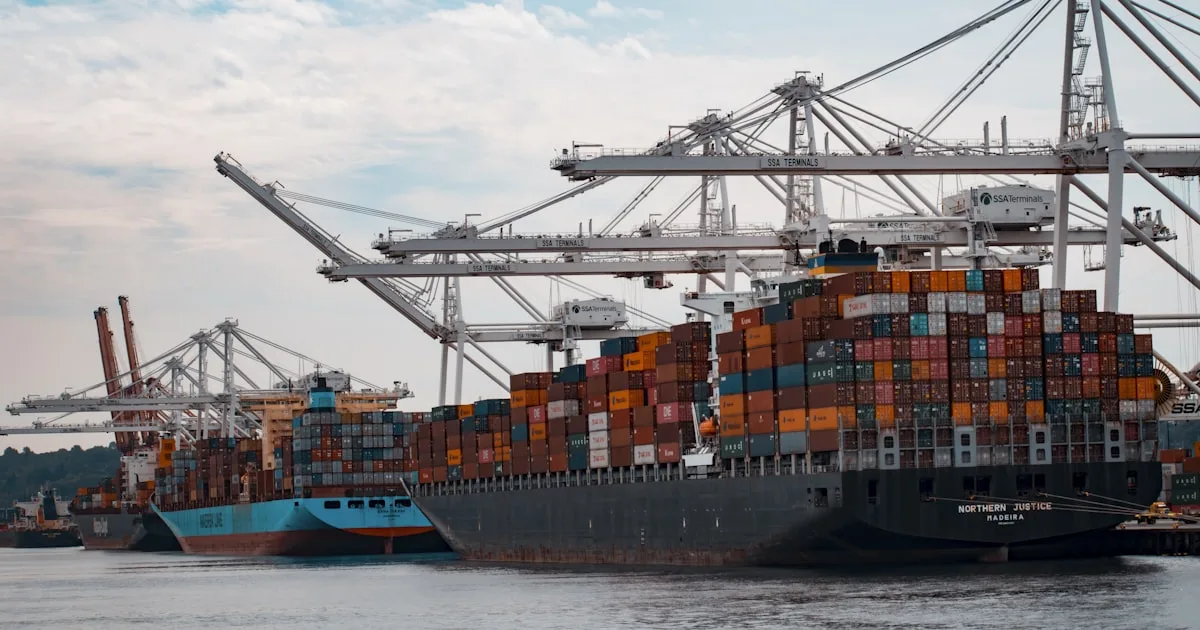
If you’re importing goods through the Port of Los Angeles or Port of Long Beach, you need a warehousing strategy. The right warehouse — in the right location, with the right services — can save you thousands in demurrage fees, reduce your transit times, and streamline your entire supply chain.
Here’s what you need to know about warehousing in the Los Angeles port area.
Why Location Matters
The closer your warehouse is to the port, the faster (and cheaper) it is to move containers from the terminal to storage. Key areas for port-adjacent warehousing include:
- Carson / Compton ��� Closest to both ports
- Long Beach / Signal Hill — Minutes from the Long Beach terminals
- Torrance / Gardena — Southern LA, easy port access
- City of Industry / Inland Empire — Larger facilities, slightly further but more affordable
Being close to the port means you can pre-pull containers quickly (important for avoiding demurrage), turn around empty containers faster (important for avoiding detention), and respond to customer orders more quickly.
Types of Warehousing Services
Short-Term / Transload Storage
If you just need a place to unload ocean containers and reload onto domestic trucks, transload storage is the most cost-effective option. The container is unloaded, goods are palletized or reorganized, and shipped out within days.
Long-Term Warehousing
For businesses that maintain inventory in Southern California, long-term warehousing provides ongoing storage with regular receiving and shipping. You’ll typically pay per pallet position per month.
Pick, Pack, and Ship (Fulfillment)
For e-commerce or distribution businesses, fulfillment warehouses handle individual order processing — picking items from inventory, packing them, and shipping to end customers.
Cross-Docking
Goods arrive at one side of the warehouse and are immediately loaded onto outbound trucks on the other side, with minimal storage time. Ideal for time-sensitive or pre-allocated cargo.
What to Look for in a Port-Area Warehouse
- Proximity to the port — How far is it from the terminals? What are the typical drayage costs?
- Flexible terms — Do they require long-term commitments, or can you use space as needed?
- Integrated services — Can they handle transloading, palletization, labeling, and distribution?
- Real-time inventory — Do they offer online inventory visibility?
- Integration with your freight forwarder — The smoothest supply chains have freight, customs, drayage, and warehousing coordinated by one party
The Advantage of Integrated Logistics
Many importers use separate companies for freight, customs, drayage, and warehousing. Every handoff between companies creates potential for delays, miscommunication, and finger-pointing when something goes wrong.
An integrated logistics provider coordinates the entire chain — from ocean freight to customs clearance to drayage to warehousing — with a single point of contact and close coordination between each step.
Partner Warehousing Through AGF in Southern California
American Global Freights arranges warehousing and distribution in Southern California through partner warehouses near the ports of Los Angeles and Long Beach.
What we arrange:
- Short and long-term warehousing
- Container transloading and deconsolidation
- Pick, pack, and ship order fulfillment
- Inventory management and reporting
- Cross-docking and distribution
- Palletization, labeling, and value-added services
Why arrange warehousing through AGF:
- Coordinated with freight and customs — AGF coordinates the move from vessel to partner warehouse, with customs cleared through our licensed customs brokers
- Flexible terms — short-term and long-term options to match your volumes
- Single point of contact — The same AGF team coordinates your freight, customs, and warehousing
Request a warehousing quote or call +1 (818) 220-8800 to discuss your storage needs.
 USA Office
 China Office
 DDC — Authorized Representative in Kazakhstan
 Europe — Achot Baghdasarian