How to Avoid Demurrage and Detention Fees at US Ports
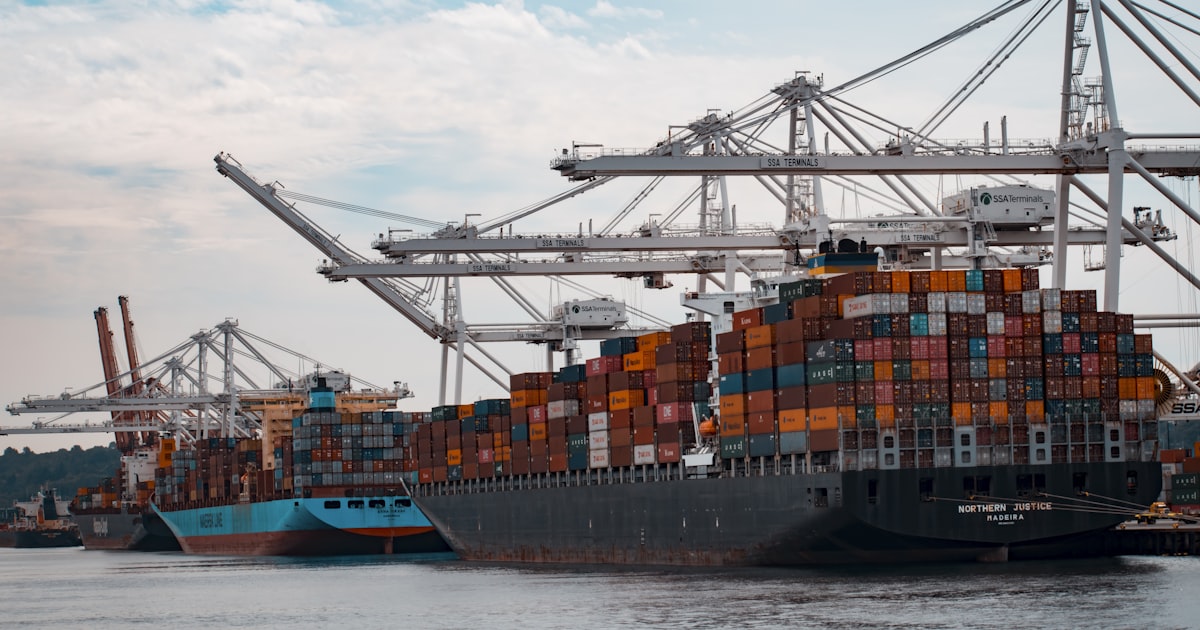
If you’ve ever imported goods through a US port, you’ve probably seen — or been hit by — demurrage and detention charges on your invoice. These fees can add hundreds or even thousands of dollars to your shipping costs, and they often come as a surprise to first-time importers.
Here’s what these fees are, why they exist, and how to avoid them.
What Is Demurrage?
Demurrage is a fee charged when your container sits at the port terminal beyond the allowed free time. Think of it as storage rent at the port.
- Who charges it: The ocean carrier (steamship line)
- When it starts: After the free time expires (typically 3-5 days after the container is discharged from the vessel)
- How much: $75-$300+ per container per day, increasing over time
What Is Detention?
Detention is a fee charged when you keep the container (the actual equipment) beyond the allowed free time after picking it up from the port.
- Who charges it: The ocean carrier
- When it starts: After the container leaves the port, you have a window (typically 4-7 days) to unload and return the empty container
- How much: $75-$200+ per container per day
Why Do These Fees Keep Going Up?
At congested ports like the Port of Los Angeles and Port of Long Beach, terminal space is limited. Carriers use demurrage and detention as financial incentives to keep containers moving. During peak seasons or port congestion events, these fees can escalate rapidly.
7 Strategies to Avoid Demurrage and Detention
1. File Customs Entry Before the Vessel Arrives
The most common cause of demurrage is waiting for customs clearance. If your entry isn’t filed before the container is discharged, it sits at the port accumulating charges.
Solution: Work with your freight forwarder to file customs entry and ISF as early as possible — ideally before the vessel arrives.
2. Have Your Documentation Ready
Missing or incorrect documents cause customs holds. Before your shipment arrives, ensure you have:
- Correct commercial invoice with proper product descriptions
- Accurate HTS classification
- Any required permits (FDA, USDA, EPA)
- ISF filed at least 24 hours before vessel departure
3. Use Pre-Pull Services
Pre-pull means your drayage provider picks up the container from the port terminal and moves it to a nearby yard before you’re ready to unload. This stops the demurrage clock.
Pre-pull yard storage is significantly cheaper than demurrage — often $20-40/day vs. $150-300/day.
4. Schedule Drayage in Advance
Don’t wait until the vessel arrives to book your truck. Container availability windows are tight, and truck appointments at the port fill up fast.
Solution: Have your drayage provider schedule the pickup as soon as you know the vessel arrival date.
5. Coordinate Warehouse Receiving
Your container can’t be delivered if your warehouse isn’t ready to receive it. Make sure your warehouse:
- Has an appointment scheduled
- Has space and labor available to unload
- Can receive during the scheduled window
6. Consider Transloading
If returning the empty container on time is a challenge (especially for inland deliveries), consider transloading — unloading the ocean container into a domestic truck at a facility near the port. This lets you return the container quickly while your goods continue moving inland.
7. Choose a Freight Forwarder Who Manages This Proactively
The best way to avoid demurrage and detention is to work with a freight forwarder who actively manages the timeline — not one who sends you a bill after the fact.
How AGF Helps You Avoid These Fees
At American Global Freights, demurrage and detention avoidance is built into our process:
- Early customs filing — We file entries before vessel arrival
- Port of LA/Long Beach expertise — We know the terminal operations, appointment systems, and carrier-specific free time windows
- Integrated drayage — Our drayage team coordinates pickup timing with customs clearance
- Pre-pull capability — When timing is tight, we pre-pull to a nearby yard to stop the clock
- Proactive communication — We alert you to potential issues before they become expensive
If you’re importing through the Port of Los Angeles or any other US port, contact AGF for a quote that includes proactive demurrage management. Call +1 (818) 220-8800.